Book
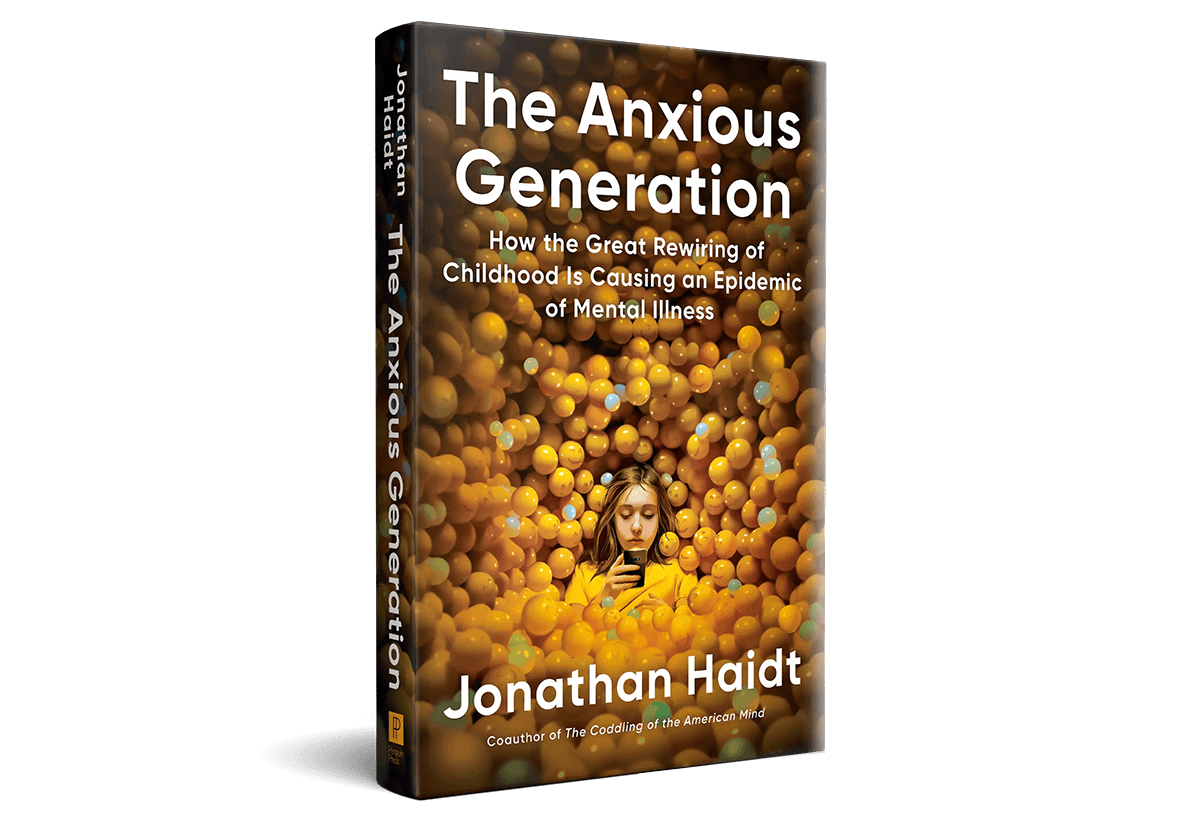
The Anxious Generation
Jonathan Haidt
This book documents the shift from play-based to phone-based childhood and the rise in teen mental health challenges.
SmartphonesSocial MediaAnxiety & Mental Health
Resources
Books, articles, podcasts, and tools to help you go deeper — filtered by age and topic.
Before you read, have you built your plan? It only takes about 10 minutes.
Start your family plan →Book
Jonathan Haidt
This book documents the shift from play-based to phone-based childhood and the rise in teen mental health challenges.
Website
waituntil8th.org
A national pledge and parent toolkit to delay personal smartphones.

Tool
Common Sense Media
Hands-on planning guides for device rules, app approvals, and family agreements.

Newsletter
Jonathan Haidt
Ongoing essays and research updates on social media and youth wellbeing.

Video
Delaney Ruston, MD
Documentary film about family life, devices, and emotional health.
Tool
American Academy of Pediatrics
Create age-based media boundaries and routines with printable planning tools.

Research Study
American Academy of Pediatrics
Policy guidance on screen use for young children and parent co-viewing.

Website
Entertainment Software Rating Board
Understand game content ratings and interactive elements before purchase.

Website
Common Sense Media
Age and content reviews for apps, games, and social platforms.

Research Study
U.S. Department of Health and Human Services
Public health advisory on youth social media risk and protective actions.

Article
Child Mind Institute
Practical scripts and routines for setting limits without daily conflict.

Research Study
UNESCO
Frameworks for responsible AI use by students, teachers, and schools.

Article
KQED MindShift
Family-friendly guidance on when AI helps and when it harms learning.

Article
Sleep Foundation
Why overnight device locations matter for sleep quality and school readiness.
Tool
Common Sense Media & Day of AI
A structured family toolkit with videos, slide decks, conversation cards, and simulation activities to build AI literacy together at home.
Research Study
Stanford Center for Digital Health
The 2025 Integrated Harm Framework from Stanford identifies 22 specific youth social media harms and provides policy and parental mitigation strategies.
Research Study
MDPI International Journal of Environmental Research and Public Health
Evidence-based SHIELD framework (Strengths, Healing, Interventions, Empowerment, Learning, Development) for parents and educators responding to cyberbullying.

Research Study
UNICEF Innocenti
UNICEF's 2025 working paper on protecting children from extremism, predation, and grooming in online gaming environments.

Research Study
Family Online Safety Institute
Nationwide survey findings on how families experience online safety, including what parents underestimate about children's digital activity.

Tool
National PTA
Facilitator guide for PTA-hosted parent workshops covering AI scams, algorithmic deepfakes, and age-appropriate app settings for school communities.
Tool
Bark Technologies
AI-powered monitoring tool that alerts parents to potential issues like cyberbullying, depression, and inappropriate content without reading every message.
Tool
Free parental controls for Android devices allowing parents to manage app approvals, set daily screen time limits, and track device location.

Tool
eSafety Commissioner (Australian Government)
A printable family tech agreement template specifically designed for children under 5, with guidance on healthy early media habits.

Article
First Things First
Practical guidance on the risks of oversharing children's images and information online, and how parents can become better stewards of their child's digital identity.

Article
Center for Pediatric and Adolescent Gynecology Network
Explains how publicly shared photos and information can be used to create deepfakes, enable identity theft, and construct profiles of a child's routine.

Article
American Psychological Association
Clinical overview of how social media affects adolescent mental health, covering both benefits and harms, with APA's recommended protective factors.

Article
American Academy of Sleep Medicine
2025 research showing that each additional hour of screen use after bedtime raises insomnia risk by 59% and reduces nightly sleep duration by 24 minutes.
Research Study
Centers for Disease Control and Prevention
CDC study on associations between screen time and physical, mental, and behavioral health outcomes among US teenagers.
Research Study
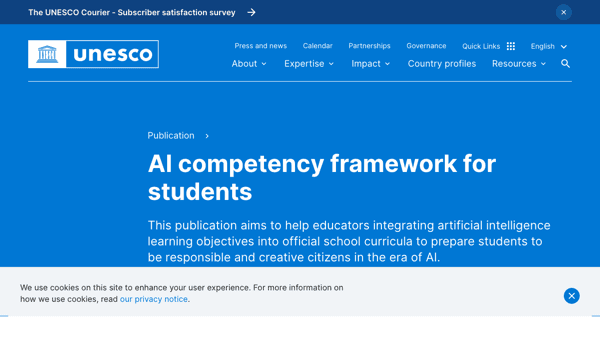
UNESCO
UNESCO's framework outlining essential AI competencies for students across four dimensions: human-centered mindset, ethics, applications, and system design.

Article
OUR Rescue
Practical internet safety guide covering how predators exploit gaming and social media, with actionable steps parents can take to protect children online.

Article
Center for Online Safety
Guidance on how to frame device use as a conditional privilege and structure a formal family technology contract with clear expectations and consequences.

Article
Canton Public Library / Bright Horizons
Family-friendly guide to setting AI house rules, including teaching children that AI is a tool not a friend, and establishing fact-checking habits.

Article
Yale Medicine
Clinical guidance from Yale physicians on how to recognize social media's effects on teen mental health and when to seek professional support.

Article
Child Mind Institute
How to set up parental controls as part of an ongoing conversation rather than covert surveillance, keeping trust intact while maintaining appropriate oversight.